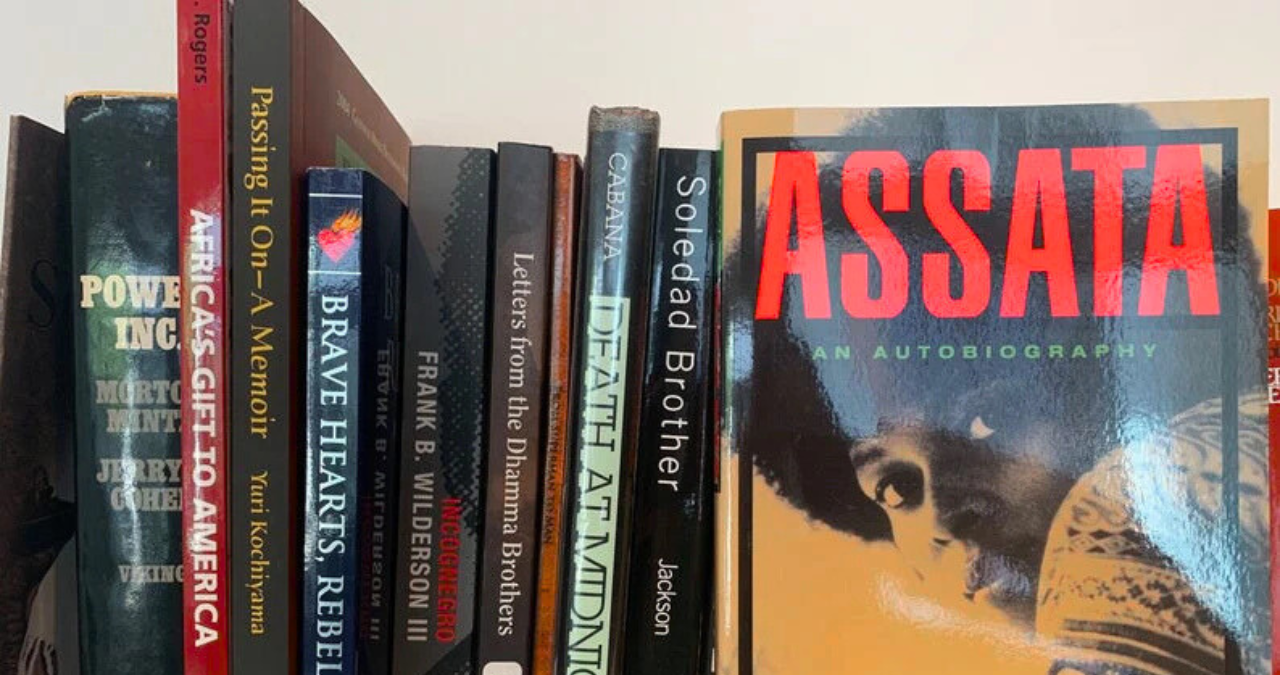

Assata Shakur Autobiography: The Assata Shakur autobiography is more than a memoir. It’s a bold narrative of survival, resilience, and political awakening that continues to spark conversations decades after it was first published. Written by Assata Shakur herself, the book offers readers a direct window into the life of a woman who refused to accept silence in the face of systemic oppression. While some view her as a fugitive, others see her as a freedom fighter, and her autobiography remains one of the most impactful works to come out of the Black liberation struggle in America.
The Assata Shakur autobiography isn’t just about one woman’s life story; it’s about the forces of history, politics, and power that shaped her journey. From childhood experiences to her time in the Black Panther Party, her imprisonment, and eventual escape to Cuba, her book takes readers through a raw and unfiltered exploration of identity, race, gender, and justice. It’s a text that challenges readers to think critically about the world we live in and the systems that define our lives.
Early Life and the Roots of Assata Shakur’s Story
To understand the Assata Shakur autobiography, one must first appreciate the environment in which she grew up. Born JoAnne Chesimard in Jamaica, Queens, Assata experienced both the beauty of community life and the sting of racial inequality from an early age. Her childhood stories highlight not only her family’s influence but also the harsh realities of segregation and discrimination that surrounded her formative years.
In her own words, Assata reflects on what it meant to grow up Black in America during a period of heightened racial tensions. The autobiography delves into how these experiences shaped her worldview and ignited the flame of resistance within her. Unlike many conventional autobiographies, hers blends personal reflection with political commentary, making it both intimate and universal at the same time. The tone is deeply human, yet it constantly reminds readers of the broader systems at play.
Education, Awakening, and Political Consciousness
The Assata Shakur autobiography reveals a young woman who was searching for more than traditional education could offer. While she attended schools and pursued formal education, she quickly realized that textbooks often omitted the real stories of Black history and struggle. This frustration fueled her desire to seek knowledge outside of classrooms, where she encountered revolutionary literature, thinkers, and activists.
Her intellectual awakening led her to challenge the status quo, not just as a student but as a young Black woman who refused to stay silent. In her autobiography, Assata paints vivid pictures of the turning points where she went from questioning small injustices to fully understanding the need for systemic change. It’s a journey of awareness that many readers can relate to, even today, as they grapple with incomplete narratives and silenced voices in mainstream culture.
The Black Panther Party and Deeper Involvement
One of the most compelling sections of Assata Shakur’s autobiography is her involvement with the Black Panther Party. She describes the organization with both admiration and critique, offering a perspective that is both honest and layered. Through her eyes, readers witness the powerful community programs of the Panthers, from free breakfast initiatives to health care efforts, alongside the challenges the group faced from government surveillance and internal struggles.
Assata doesn’t shy away from exposing the difficulties of being a Black woman in a movement often dominated by men. She addresses gender dynamics within the Panthers and explains how these challenges shaped her own political identity. This portion of the autobiography underscores her resilience and refusal to conform to roles others tried to impose on her. Her account adds dimension to our understanding of what it meant to be part of such a historic movement.
The Arrest and Trial Experiences
The Assata Shakur autobiography takes readers through her multiple arrests, legal battles, and the infamous New Jersey Turnpike incident. Assata’s description of her time in prison and the way she was treated by law enforcement is chilling. She details beatings, medical neglect, and psychological pressure designed to break her spirit.
What makes these chapters so powerful is the clarity with which Assata connects her personal suffering to the broader struggle of Black people in America. She positions her legal persecution as part of a larger system of oppression targeting political dissidents and activists of color. Her storytelling not only reveals her own resilience but also shines a light on the realities of the prison system and state power during the height of political repression in the United States.

Escaping Prison and the Path to Cuba
One of the most dramatic elements of Assata Shakur’s autobiography is her daring prison escape. Assata doesn’t glamorize the event but instead frames it as an act of necessity for survival. Her reflections on freedom, exile, and what it meant to leave behind loved ones give this part of the book an emotional weight that lingers with readers long after they put it down.
In Cuba, Assata found both safety and complexity. While she was welcomed as a political refugee, she also had to adapt to life in a completely different cultural and political landscape. Her autobiography shares the duality of finding refuge while still being haunted by the past and by the constant threat of U.S. pursuit. The narrative demonstrates how even in freedom, one can carry the scars of struggle.
The Writing Style of the Autobiography
The Assata Shakur autobiography stands out not just because of its content but also because of its style. Assata blends prose with poetry, memory with reflection, and facts with emotions. Her writing is accessible, engaging, and deeply personal, making readers feel as though they are having a direct conversation with her.
Unlike many historical or political texts, her autobiography doesn’t lecture—it shares. This makes it a powerful tool for connecting with people who may not be familiar with the political movements of the 1960s and 70s but who can understand the human desire for dignity, justice, and freedom. The writing style makes the book timeless, ensuring that it resonates with new generations.
The Impact and Legacy of the Autobiography
The Assata Shakur autobiography has become a cornerstone of radical literature. Its impact extends far beyond its initial release, influencing activists, students, and thinkers worldwide. For many, it serves as an introduction to the history of Black resistance in America, as well as a call to action to continue fighting against inequality.
Assata’s story also challenges readers to confront their own assumptions. By humanizing her experience and refusing to let others define her narrative, she forces the world to grapple with uncomfortable truths. Her autobiography continues to spark debates about justice, freedom, and the role of dissent in shaping a better society.
Why the Autobiography Still Matters Today
Decades after its publication, the Assata Shakur autobiography remains deeply relevant. In today’s world, where conversations about systemic racism, mass incarceration, and state surveillance are once again at the forefront, her story provides both historical context and contemporary insight. It reminds readers that the struggles of the past are not disconnected from the issues we face today.
For young activists and readers, the autobiography offers both inspiration and guidance. It is not just the story of one woman but a testament to the power of resilience, critical thought, and unwavering commitment to justice. Its continued circulation proves that Assata Shakur’s voice still matters in shaping the discourse on freedom and equality.
The Personal Versus the Political
One of the reasons the Assata Shakur autobiography resonates so strongly is its seamless weaving of the personal and the political. Assata tells her story as a mother, a daughter, a friend, and a revolutionary. She doesn’t separate these roles; instead, she shows how they overlap, complicate, and strengthen one another.
This blending creates a narrative that feels real and relatable. Readers don’t just see a political symbol; they see a human being navigating extraordinary circumstances. This makes the autobiography both unique and enduring, as it appeals not only to scholars and activists but also to anyone interested in the resilience of the human spirit.
Conclusion: The Living Power of Assata Shakur’s Story
The Assata Shakur autobiography is far more than a historical document—it is a living, breathing testimony of survival, resistance, and hope. It challenges the way history is told and pushes readers to question systems of power. At the same time, it gives voice to the personal experiences of a woman who has become both iconic and controversial.
Whether readers see Assata Shakur as a revolutionary, a writer, or a survivor, her autobiography remains one of the most significant texts of its kind. It is not just about her life; it is about the continuing struggle for justice that transcends generations and borders. In revisiting her story, readers are reminded of the enduring truth that the fight for freedom is never over—it evolves, grows, and demands to be told again and again.